
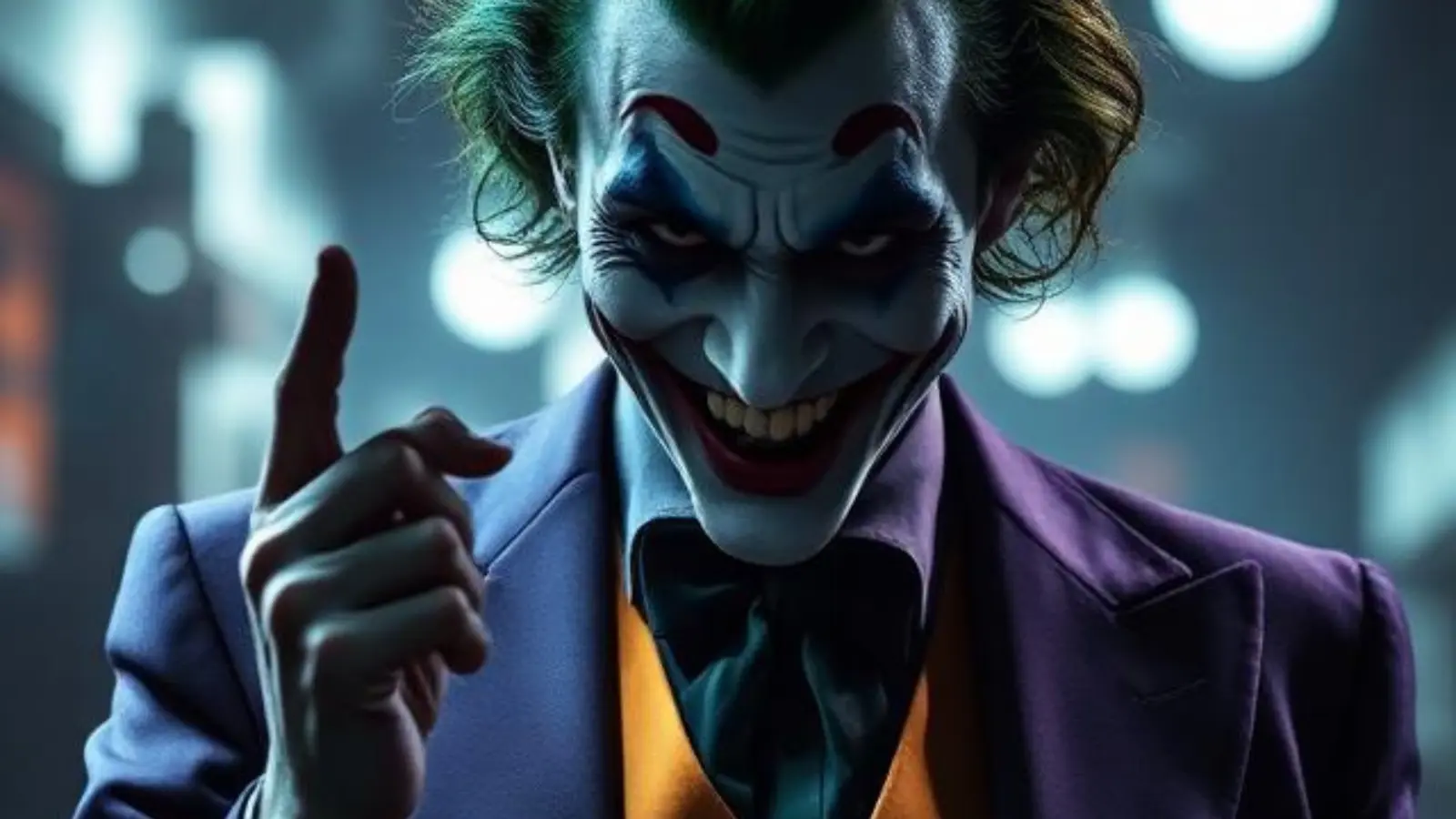
There’s a laugh that doesn’t sound funny at all.
It echoes through rain-soaked panels, through cracked smiles and shattered sanity. In the 1988 graphic novel The Killing Joke by Alan Moore and illustrated by Brian Bolland, we witness something chilling: a joke that may not even be a joke.
At the center stands Joker—smiling, bleeding, philosophical—and opposite him, the silent weight of Batman. Published by DC Comics, this story isn’t just about crime. It’s about pain, perspective, and one haunting punchline.
People search for joker’s joke in the killing joke because they want answers.
Did Batman laugh?
Did he kill the Joker?
Was it mercy—or madness?
Let’s unravel it together, gently and deeply.
The Psychology Behind ❤️❤️joker’s joke in the killing joke❤️❤️
-
🧠 The joke reflects cognitive distortion shaped by trauma.
-
🎭 It exposes fractured identity and unstable self-concept.
-
💔 The punchline mirrors unresolved emotional abandonment.
-
🔥 It demonstrates how pain becomes performance.
-
🪞 The Joker projects his chaos onto Batman.
-
🌀 The joke reframes reality as subjective madness.
-
😶 It blurs sanity through unreliable narration.
-
🎢 Emotional volatility fuels the comedic timing.
-
🧩 It pieces together fragmented psychological defense mechanisms.
-
🧨 Dark humor becomes a coping strategy.
-
🌧️ Trauma bonding subtly connects hero and villain.
-
🧠 It challenges traditional morality frameworks.
-
😈 The joke questions whether insanity is contagious.
-
⚖️ It reveals the thin line between order and chaos.
The Dark Humor Mechanics of ❤️❤️joker’s joke in the killing joke❤️❤️
-
🎤 The structure mimics classic stand-up rhythm.
-
⏳ Timing builds tension before the final line.
-
🌉 The bridge metaphor carries layered symbolism.
-
🪄 Misdirection guides readers toward false comfort.
-
😂 Laughter contrasts with graphic brutality.
-
📖 Narrative irony deepens thematic impact.
-
🔍 Subtext hides existential commentary.
-
🎨 Visual framing enhances comedic pause.
-
🎭 The absurd setup masks philosophical despair.
-
💡 It weaponizes humor as psychological warfare.
-
🌑 Darkness amplifies emotional resonance.
-
🗣️ Dialogue simplicity increases interpretive depth.
-
🎢 Emotional whiplash creates cognitive discomfort.
-
🎯 The punchline lands on moral ambiguity.
How Trauma Fuels ❤️❤️joker’s joke in the killing joke❤️❤️
-
🧨 “One bad day” drives the narrative thesis.
-
💔 Loss transforms into nihilistic worldview.
-
🧠 Memory distortion reshapes identity.
-
🕳️ Trauma becomes justification for cruelty.
-
🪞 The Joker seeks validation through shared suffering.
-
🔄 Cycles of abuse echo in his logic.
-
🌧️ Emotional pain converts into theatrical chaos.
-
🧩 He externalizes internal collapse.
-
🧊 Desensitization numbs empathy.
-
🎢 Psychological shock defines his philosophy.
-
🗝️ The joke unlocks his coping narrative.
-
⚡ Trauma fuels his need for proof.
-
🕰️ Flashbacks intensify tragic undertones.
-
🌪️ Pain becomes performance art.
The Philosophy Hidden Inside ❤️❤️joker’s joke in the killing joke❤️❤️
-
📜 It questions objective reality.
-
🌓 Duality defines hero versus villain.
-
🧠 Existentialism shapes the worldview.
-
🎭 Absurdism colors the humor.
-
🔍 It critiques societal sanity standards.
-
⚖️ Moral relativism clouds judgment.
-
🧩 Truth becomes perception-based.
-
🌉 The bridge symbolizes fragile trust.
-
🗝️ Freedom emerges through chaos.
-
🔄 Meaninglessness drives defiance.
-
🧨 Order appears as illusion.
-
🌑 Light and darkness merge conceptually.
-
💭 It invites philosophical debate.
-
🕊️ Redemption remains uncertain.
Narrative Structure Surrounding ❤️❤️joker’s joke in the killing joke❤️❤️
-
📖 Parallel timelines deepen suspense.
-
🎬 Flashbacks humanize the villain.
-
🧵 Visual motifs thread consistency.
-
🔁 Repetition reinforces thematic core.
-
🪞 Mirrored panels highlight duality.
-
🌧️ Rain amplifies emotional tone.
-
🕰️ Nonlinear storytelling heightens tension.
-
🎭 Dialogue pacing controls atmosphere.
-
📸 Close-up frames intensify intimacy.
-
🧩 Minimal exposition invites interpretation.
-
🎢 Climactic build-up centers on laughter.
-
🔦 Lighting contrasts emphasize symbolism.
-
🧠 Silence becomes narrative device.
-
🎯 The ending remains intentionally ambiguous.
Visual Storytelling Amplifying ❤️❤️joker’s joke in the killing joke❤️❤️
-
🎨 Color gradients reflect emotional descent.
-
🌧️ Stark rain imagery evokes cleansing and dread.
-
👁️ Close facial expressions capture instability.
-
🩸 Blood contrasts against pale smiles.
-
🌑 Shadows symbolize moral uncertainty.
-
🃏 The grin becomes visual motif.
-
📷 Panel symmetry mirrors psychological symmetry.
-
💡 Light flickers suggest fragile hope.
-
🧊 Cold tones intensify isolation.
-
🧩 Minimal background sharpens focus.
-
🪞 Reflections emphasize dual identities.
-
🎭 Body language signals hidden emotion.
-
📖 Visual pacing slows final moment.
-
🌉 The bridge imagery visually anchors the joke.
Batman’s Silence After ❤️❤️joker’s joke in the killing joke❤️❤️
-
🤐 Silence creates interpretive space.
-
🧠 His laughter feels uneasy.
-
⚖️ Justice hangs in balance.
-
🌑 Moral exhaustion shows subtly.
-
🧊 Emotional restraint defines his character.
-
🔍 Readers search for hidden intent.
-
🧩 Ambiguity fuels fan theories.
-
🎭 Shared laughter blurs rivalry.
-
🕊️ Mercy versus murder debate intensifies.
-
🌧️ Rain drowns clear resolution.
-
💭 Silence becomes louder than words.
-
🪞 He confronts mirrored trauma.
-
⚡ Tension lingers unresolved.
-
🎯 The scene ends without certainty.
Reader Reactions to ❤️❤️joker’s joke in the killing joke❤️❤️
-
😲 Shock dominates first impressions.
-
🤯 Interpretations vary wildly.
-
💬 Online debates continue decades later.
-
🧠 Psychological analysis fascinates fans.
-
🕵️♂️ Mystery fuels engagement.
-
🎭 Some see tragic humor.
-
😨 Others sense sinister finality.
-
📖 Academic essays explore symbolism.
-
🔄 Rereads reveal new meanings.
-
🌑 The ambiguity invites projection.
-
🧩 Fan theories expand canon.
-
🎬 Adaptations spark comparison.
-
💡 The ending challenges closure expectations.
-
❤️ It remains emotionally unforgettable.
Cultural Impact Sparked by ❤️❤️joker’s joke in the killing joke❤️❤️
-
📚 It redefined graphic novel maturity.
-
🎭 Influenced darker superhero storytelling.
-
🧠 Elevated psychological villain portrayals.
-
🎬 Inspired film adaptations.
-
💬 Sparked ethical debates in fandom.
-
🧩 Shaped Joker’s modern identity.
-
🔥 Popularized “one bad day” trope.
-
🎨 Inspired visual homage panels.
-
📖 Became required reading for fans.
-
🌍 Influenced global comic narratives.
-
🗣️ Strengthened antihero complexity trends.
-
🎯 Deepened Batman-Joker mythology.
-
🧠 Encouraged philosophical superhero discourse.
-
💥 Cemented iconic literary status.
Moral Questions Raised by ❤️❤️joker’s joke in the killing joke❤️❤️
-
⚖️ Can trauma excuse violence?
-
🧠 Is sanity socially constructed?
-
🕊️ Does mercy empower evil?
-
🔄 Can villains change authentically?
-
🌉 Is trust ever rational?
-
🎭 Who defines normality?
-
🧩 Are hero and villain reflections?
-
💔 Can pain justify cruelty?
-
🧨 Is chaos a freedom?
-
🌑 Does justice require rigidity?
-
🪞 Are we one bad day away?
-
🎯 Is hope naive optimism?
-
💡 Can laughter mask despair?
-
🔍 What truly separates them?
Symbolism Threaded Through ❤️❤️joker’s joke in the killing joke❤️❤️
-
🌧️ Rain symbolizes emotional release.
-
🌉 The bridge represents fragile faith.
-
🃏 The playing card signals unpredictability.
-
🧊 Ice-cold lighting reflects detachment.
-
🩸 Blood contrasts innocence and corruption.
-
🪞 Mirrors emphasize dual identity.
-
🔦 Flashlight beams suggest fleeting clarity.
-
🌑 Darkness swallows certainty.
-
🎭 Smiles hide existential dread.
-
🕰️ Time loops through flashbacks.
-
🧩 Broken glass mirrors fractured psyche.
-
⚡ Lightning flashes reveal truth briefly.
-
🎯 The joke symbolizes worldview collapse.
-
🕊️ Silence implies unresolved redemption.
Writing Craft Lessons from ❤️❤️joker’s joke in the killing joke❤️❤️
-
✍️ Ambiguity increases longevity.
-
📖 Tight storytelling enhances impact.
-
🎭 Character-driven conflict feels authentic.
-
🧠 Psychological depth elevates genre fiction.
-
🔄 Parallelism strengthens themes.
-
🎯 Concise dialogue sharpens tension.
-
🪞 Mirrored arcs create symmetry.
-
🌑 Subtlety often beats exposition.
-
📸 Visual pacing controls emotion.
-
🧩 Leave space for reader interpretation.
-
⚖️ Moral complexity invites discussion.
-
💡 Symbolism enriches reread value.
-
🕰️ Flashbacks deepen empathy.
-
🔥 Bold endings spark cultural conversation.
Emotional Triggers Activated by ❤️❤️joker’s joke in the killing joke❤️❤️
-
😨 Fear of losing control.
-
💔 Empathy for broken humanity.
-
🧠 Anxiety about mental fragility.
-
🌧️ Sadness over inevitable conflict.
-
🪞 Recognition of mirrored flaws.
-
⚡ Shock at moral tension.
-
🎭 Uneasy laughter response.
-
🕊️ Longing for reconciliation.
-
🧩 Curiosity about unresolved fate.
-
🔄 Intrigue fueled by ambiguity.
-
🌑 Discomfort with nihilism.
-
💡 Reflection on personal limits.
-
🎢 Emotional rollercoaster engagement.
-
❤️ Deep fascination with darkness.
Why ❤️❤️joker’s joke in the killing joke❤️❤️ Still Haunts Us
-
🌑 It refuses neat closure.
-
🧠 It challenges moral certainty.
-
🎭 It humanizes monstrosity.
-
🪞 It mirrors our vulnerabilities.
-
🔄 It invites endless reinterpretation.
-
💬 Debate keeps it alive.
-
🎯 Ambiguity fuels imagination.
-
🌧️ Emotional weight lingers.
-
🕰️ Timeless themes stay relevant.
-
🧩 Complexity resists simplification.
-
⚖️ Justice remains unresolved.
-
💡 It asks uncomfortable questions.
-
😶 Silence echoes louder than laughter.
-
❤️ It stays etched in memory.
Frequently Asked Questions
1. What is the actual meaning of ❤️❤️joker’s joke in the killing joke❤️❤️?
The joke about two inmates escaping an asylum represents trust and perception. One inmate refuses to cross a beam of light, fearing betrayal. Symbolically, it reflects the Joker’s belief that trust is irrational in a broken world. He sees Batman as the other inmate—offering help, but ultimately unreliable. The joke suggests both characters are trapped by trauma. It’s less about comedy and more about worldview. The humor masks existential despair, highlighting that reality depends on perspective and fragile faith.
2. Did Batman kill the Joker after ❤️❤️joker’s joke in the killing joke❤️❤️?
The ending is intentionally ambiguous. The final panels show shared laughter fading into silence under rainfall. Some interpret Batman’s hands as tightening around the Joker’s neck. Others believe he simply walks away. There is no definitive canon confirmation of murder within the original graphic novel. The ambiguity is deliberate, designed to provoke reflection. The unresolved ending reinforces the central theme: perception shapes reality, and certainty is elusive.
3. Why is ❤️❤️joker’s joke in the killing joke❤️❤️ considered so important?
It redefined superhero storytelling by embracing psychological realism and moral complexity. Rather than simple good versus evil, the narrative explores trauma, identity, and philosophical duality. The joke encapsulates the entire theme of “one bad day.” It helped transform the Joker into a layered, tragic antagonist. Its cultural influence extends across comics, films, and academic analysis. The emotional ambiguity keeps it relevant decades later.
4. What does the bridge symbolize in ❤️❤️joker’s joke in the killing joke❤️❤️?
The bridge symbolizes fragile trust and connection. Crossing it requires faith in another person’s promise. The Joker believes that faith is foolish because people ultimately betray each other. In a deeper sense, the bridge represents the thin line between sanity and madness. Refusing to cross reflects fear of vulnerability. The metaphor connects directly to the relationship between Batman and the Joker.
5. How does trauma shape ❤️❤️joker’s joke in the killing joke❤️❤️?
Trauma is the emotional engine of the story. The Joker’s backstory suggests overwhelming loss and humiliation. He believes one catastrophic day can shatter anyone’s sanity. The joke becomes proof of his worldview. By forcing others into traumatic experiences, he attempts validation. Trauma shapes his logic, humor, and philosophy. It transforms comedy into psychological projection.
6. Why do readers debate ❤️❤️joker’s joke in the killing joke❤️❤️ so intensely?
Ambiguity invites interpretation. The story provides clues but no clear resolution. Readers project their own moral beliefs onto the ending. Some view it as tragic reconciliation; others see fatal violence. The layered symbolism encourages philosophical discussion. Debate keeps the narrative alive in popular culture. That interpretive openness is intentional and powerful.
7. Is ❤️❤️joker’s joke in the killing joke❤️❤️ meant to be funny?
On the surface, it follows classic joke structure. But emotionally, it’s unsettling. The humor feels hollow because it carries existential weight. The laughter is shared between enemies who understand each other too well. It’s less about comedy and more about irony. The discomfort is the point.
8. How did ❤️❤️joker’s joke in the killing joke❤️❤️ change the Joker’s character forever?
It shifted him from cartoonish prankster to psychological philosopher of chaos. The story deepened his motivations and trauma narrative. It emphasized intellectual rivalry with Batman. Modern portrayals often echo this darker complexity. The joke became symbolic of his ideology. It cemented him as one of fiction’s most psychologically layered villains.
Final Thoughts
In the end, ❤️❤️joker’s joke in the killing joke❤️❤️ isn’t about a beam of light.
It’s about trust in darkness.
It’s about how pain rewrites perception.
It’s about two broken men laughing because words have failed them.
That final shared laugh lingers like rain on cold pavement—soft, chilling, unforgettable. And maybe that’s why we still return to it. Not for answers, but for the question it dares to ask:
How thin is the line between us and the abyss